






 by Rishy Mehrotra
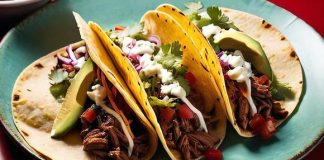
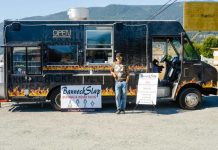
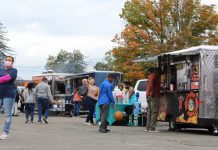
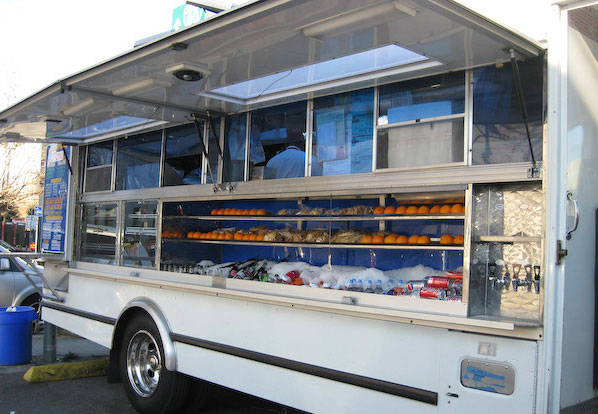
The Real Deal online magazine published an article a few weeks ago about the success of gourmet food trucks in New York City. Having lived in NYC for a number of years, I can attest to the popularity of these trucks and carts. Sure, the majority of street vendors sell garbage, but there are a number of them that sell high quality product that would be a huge hit in a traditional brick and mortar retail location. In fact, there have been several stories of entrepreneurs who have started a food business out of a truck and soon opened brick and mortar restaurants with huge success. In a suffering economy, would it make sense for non-food retailers to take a stab at trying the same strategy?
There are several reasons food vendors take to starting their business out of a truck or cart before launching a traditional fixed location. I don’t see why retailers of clothing, electronics, or any other good couldn’t benefit from the same reasons. The first and most obvious reason is start-up costs. Starting a traditional restaurant in NYC costs anywhere from $3-$5 million. Starting a food cart, on the other hand, does not cost more than $100,000 or so including marketing costs. The entrepreneur can begin their business and gain the necessary experience at a fraction of the cost. Another reason food vendors have benefited from starting out with a truck or cart is it allows them to get a sense of the overall demand for their food product. This is a test of which every retailer, food or non-food, should take advantage. Finally, operating out of a truck or cart allows a retailer to test out different locations. Rather than signing a 5-year lease on a location that may not be ideal, they can move around a bit to get a sense of what neighborhood is best for their business.

While the benefits of starting a retail business out of a truck are compelling, there are some challenges the public at large would have to overcome for this to really take off with all sorts of retailers. At the moment, most of the food vendors operating out of trucks and carts in NYC are violating permit and food supply laws. Before truck retailing can take off outside of food products, the laws governing mobile retailing would need a significant revamping. Moreover, a glut of new retailers in mobile storefronts is bound to cause more problems in city traffic patterns. If city governments can find a way to minimize the impact vendors would have on regular automobile traffic, then mobile retailers may get a more favorable reception from the general public.