
By The Wandering Sheppard | WRAL.com
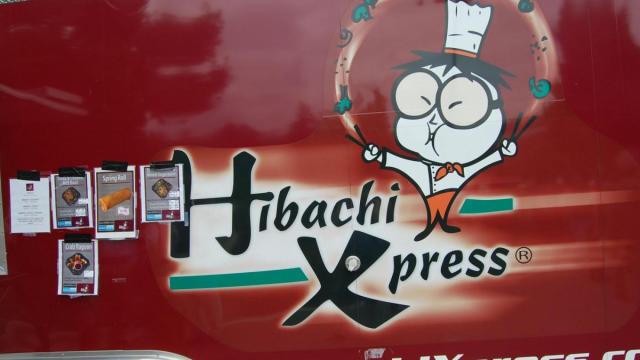
A common beginning to a food truck story: a chef’s desire to develop their brand, but without taking high amounts of financial or real estate risk. As these culinary pioneers have paved the way, restaurant brands initially developed, as fixed locations have taken noticed of their popularity. This industry trend and rising real estate values have given an alternative to expansion: a mobile location instead of another brick and mortar location.
Brick and mortars expanding into mobile locations is not a new phenomenon nor is it strictly local restaurants expanding. National brands such as Chick-Fil-a (see DC’s food truck scene), Sheetz (spotted at special Triangle events), and the social media favorite: the Taco Bell food truck, have all created food trucks wrapped with their brand.
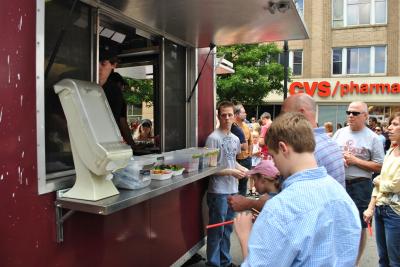
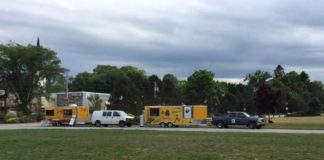
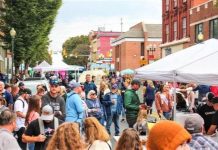
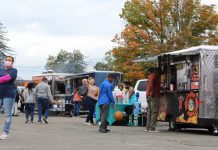
Downtown Raleigh Food Truck Rodeo
Why would an established brand expand to what is thought as a test market? When I spoke with Virgil Wilson with Virgil’s Jamaica (for a profile piece), he painted a vivid picture on looking at the monthly rent check for the fixed restaurant and analyzing if it was worth writing it. The decision to close the restaurant for a food truck was easier when one food truck event’s revenues were erased by that monthly rent expense. Pair lower operating expense with food truck’s national popularity, this is why local restaurants have decided to expand with a mobile model.
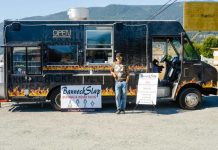
Restaurants closed and operating food trucks full-time in the Triangle:
Expanded a location to a food truck:
http://www.wral.com/reverse-food-truck-trend-catching-on/14658068/