
 Posted by NRA Staff
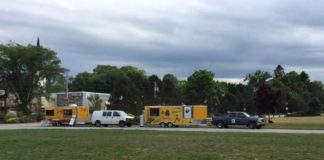
There are challenges and opportunities with running any restaurant business, but operating a food truck comes with its own set of unique issues.
“It’s one of the best branding experiences I’ve ever had. It’s driven people to our restaurant,” says Bill Irvin, who operates restaurants in the Baltimore area and recently added a mobile truck — Kooper’s Chowhound Burger Wagon — to his business roster.
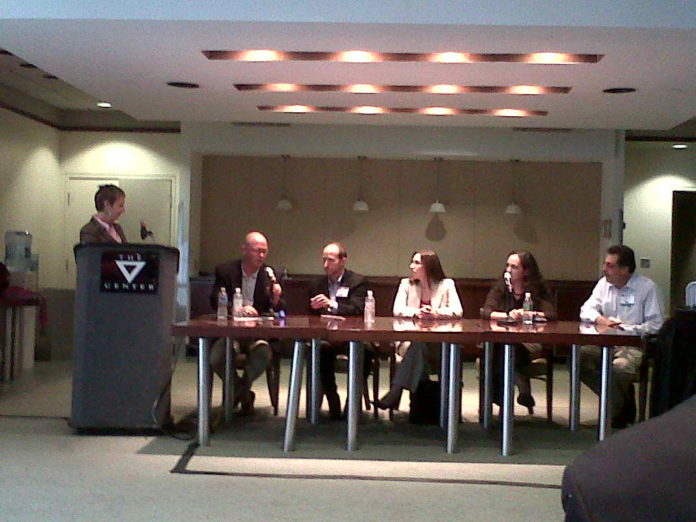
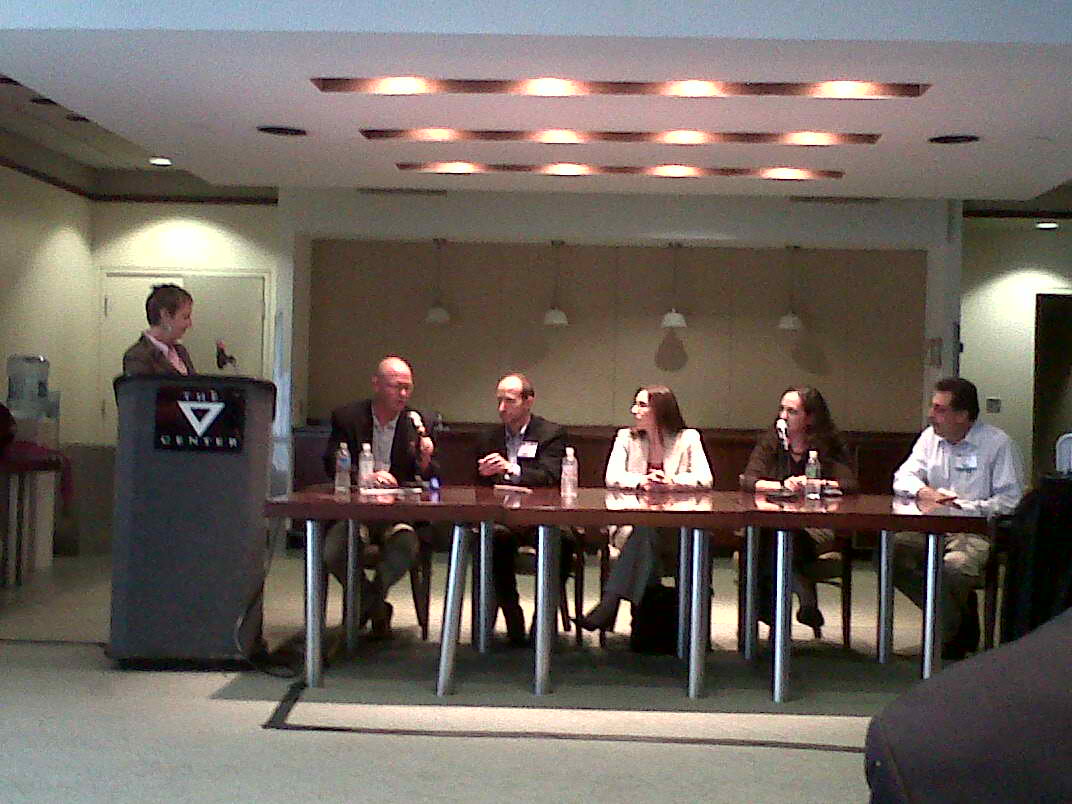
Irvin was one of five panelists at the Mid-Atlantic Food, Beverage & Lodging EXPO who participated in Oct. 13 session on food trucks at the Baltimore Convention Center.
He said opening the truck allowed him to expand his business at a time when lending was a challenge because trucks typically come with a smaller price tag than a traditional brick-and-mortar restaurant startup.
Christine Sarapu, who is launching Sabora Street with her husband in Washington, D.C., agreed with Irvin about the lower investment needed to start a truck. It helped her and her husband, a chef, start their own business in a challenging economy.
She said the smaller management scale of a truck also allowed her husband, who has spent his career in the kitchen, learn about the business side of restaurant operations in bite-size pieces so he can focus on culinary creativity rather than business administration.
Douglas Povich of Red Hook Lobster DC launched a food truck in the nation’s capital less than two months ago and said the response has been overwhelming. “We had no idea going into it what to expect. And now we’re about to get a second truck on the street after only six weeks in business.” Povich said he was also exploring the possibility of opening a brick-and-mortar restaurant in Washington.
Brian Sacks of MMBS Enterprises used to operate a food truck and now advises others getting into the business. He emphasized that presentation is key. “Build it properly, and [customers] will come. If it looks ‘sketchy,’ people aren’t going to eat off of it.”
Melissa Gold of Gold Standard PR has food truck clients, including Washington, D.C.’s Eat Wonky, and advises operators to offer distinctive menu items and find a specific target audience. Eat Wonky, for example, serves Canadian poutine and works with nightclubs to serve late-night crowds outside their locations.
When it comes to challenges of operating a mobile foodservice operation, the panelists agreed on the major factors — weather, parking, unique kitchen logistics and mechanical issues.
“How many of you have kitchens that move?” No one? Well, if you’re in a truck and you hit a pothole …,” Irvin mused.
Povich had to postpone the launch of his truck because of mechanical problems with the vehicle. He also said he recruits customers to help solve parking problems by tweeting that the person who holds a spot will get a free lunch.
The panelists also shared ideas for working with the local restaurant community.
Povich said he worked with a local bar to cross-promote the two operations. People who purchased an item from the truck would receive a discounted drink at the bar. Povich said the operator was skeptical at first but then thanked him, telling him that the bar got 50 to 75 new customers that day as a result.
The “Food Trucks: Changing the Way Things are Done!” session was moderated by Linda Busche, senior editor/writer with the National Restaurant Association. The Mid-Atlantic Food, Beverage & Lodging EXPO is produced by the Restaurant Association of Maryland in partnership with the Restaurant Association Metropolitan Washington and the Virginia Hospitality & Travel Association.