

By Cindy Hernandez | AZ Central
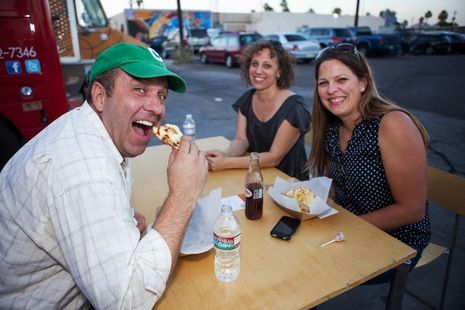
PHOTO BY: Melissa Fossum/Special for azcentral.com
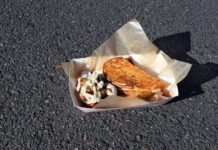
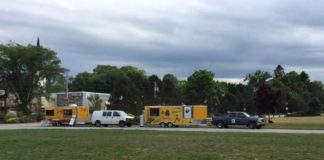
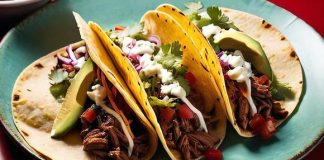
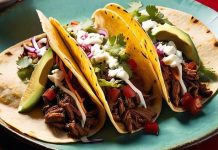
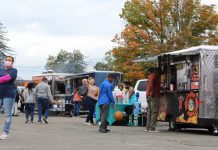
The Valley’s food trucks are dishing out gourmet hot dogs, Latin American fare, homemade pies and many other delicious and affordable treats.
The local food-truck movement started about three years ago with a few food trucks gathering at the downtown Phoenix Public Market. One of the first entrepreneurs was the husband-and-wife team of Brad and Kat Moore, owners of Short Leash Hot Dogs and founders of Food Truck Fridays. The Moores are expanding their brand with the opening a brick-and-mortar restaurant in July at Roosevelt and First streets in downtown Phoenix.
So what does it take to run a food truck?
Republic dining writer Jennifer McClellan moderated a panel discussion on the future of food trucks Friday night at the Moores’ restaurant site. The panelists included Brad Moore, Giancarlo Alarcon of Aji Mobile Foods, Tonya Saidi of Mamma Toledo’s, Greg Esser of the Roosevelt Row Community Development Corp. and Scottsdale Mayor Jim Lane.
Here are five takeaways from the 90-minute discussion, which drew more than 50 people, including several people hoping to turn their food-truck dream a reality.
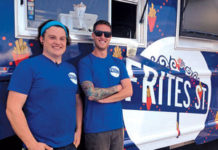
1. Why own a food truck? A food truck serves as an incubator for an aspiring restaurateur to test a concept before investing in a brick-and-mortar business. However, running a food truck can be physically taxing because it’s extremely hot inside. Moore has a rule for his employees: No complaining about the heat. A large financial investment and 24/7 time commitment also are needed. Saidi, a pie maker, said she did not sleep during her first year of operation.
2. The recipe for a successful food truck. For Moore, success requires a quality product, innovative marketing, great customer service and the discipline to see it through. For Saidi, it takes a supportive family, personable customer service and good relationships with other food-truck owners. Alarcon says it’s important to launch a concept in which you are knowledgeable, put money away for a rainy day (or in the case of Valley food trucks, the hot summer months), and see the idea through even when you feel like giving up.
3. Build relationships. Moore recommends creating a dialogue with city and county officials who know what’s doable. There may be a misconception that bureaucrats are “out to get you,” but Moore said they have been great assets for the food-truck community.
Scottsdale recently allowed ice cream trucks in the right-of-way of residential areas after a four-decade ban. Lane joked that his chief of staff was met with pitchforks and torches when he gauged community support for lifting the ban. To address concerns, the city requires background checks of truck operators, insurance and lighting, and sets limits on speed and music volume.
Because requirements vary from city to city, Alarcon recommends asking a lot of questions, keeping paperwork in order and being prepared to present proper documents.
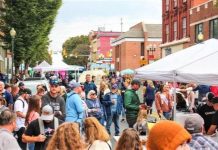
4. Improve a city’s landscape. Esser said the food-truck scene helped transform Roosevelt Row, a downtown district where, 10 years ago, people did not come out after dark. By utilizing vacant property and drawing people with First Friday, Food Truck Friday and other popular events, entrepreneurs have opened galleries, restaurants and other businesses in the Roosevelt area. The same can be done in other cities by finding empty lots and working with officials.
5. The future of food trucks. Moore predicts that in five years, the Phoenix-area food-truck scene will grow to include large restaurants getting food trucks of their own. The Phoenix Street Food Coalition has 50-plus members, and has the potential to grow, as well. For information on food trucks or to book them for an event, visit phxstreetfood.org.