





By Jon Alexander | MagicValley.com – Times News
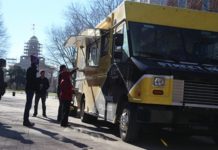
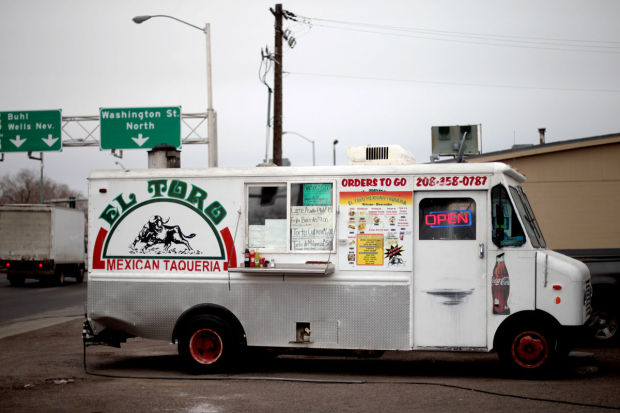
When does a van become a restaurant? It’s the surprisingly complex question the Twin Falls City Council is facing as it rightly tries to bring some sense to the unregulated “taco truck” free-for-all.
Balancing fairness for brick-and-mortar businesses, health concerns and support for entrepreneurial spirit muddy the waters. And Monday night’s lengthy debate is evidence of the bog that the City Council is now wading.
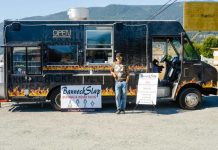
City Planning and Zoning staff initiated the conversation after noting that several “mobile” food trucks never actually move. Some sit static for years. Article X of City Code requires businesses, including restaurants, to undergo substantial and pricey regulatory review. Parking, landscaping, bathrooms and Planning and Zoning oversight are all codified for brick-and-mortar businesses, which pay commercial property taxes.
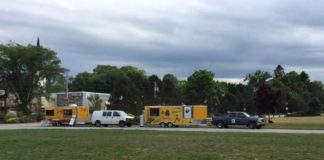
Never-moving taco trucks, parked in perpetuity on a vacant lot, are essentially restaurants that avoid government regulation and property tax payments, while too often dumping grease into the sewer system, staff argues.
“They sort of operate a restaurant without actually being a restaurant,” Community Development Director Mitch Humble said.
Humble’s proposed regulation would require, among other things, mobile vendors to leave their parking spot every night and do business only on lots already occupied by a business. It would drive vendors away from unoccupied, gravel-covered plots without access to bathrooms or approved parking lots.
“I don’t think it’s fair for people investing in our community to be under stricter rules than a van that drives into town,” said Councilwoman Suzanne Hawkins.
Councilman Jim Munn called the slew of proposed regulations business-killing “bureaucratic madness,” especially the concept of requiring these small-budget stands to provide detailed, scale drawings of their set up.
“He has the permission of the property owner,” Munn said. “Get off his back, man.”
Everyone’s right. And that’s why the food truck issue is so thorny. It’s a problem faced by growing cities nationwide.
Portland, Ore., has a booming food truck culture. While its local code doesn’t require the vans sit in lots already occupied by a business, it does stipulate the lot be paved and up to commercial stormwater regulations. It also bars food trucks from having plumbing connections. Austin, another city known for its street vendors, has substantially more requirements. Sales tax certificates, route location maps and notarized agreements with property owners are needed to set up rolling-shop in Austin. Both cities indicate that food trucks are expected to actually move.
Twin Falls City Council sent Humble back to the drawing board Monday night, directing him to find a compromise plan that regulates without crushing entrepreneurial spirit. Wherever Twin Falls lands, it will be an improvement over the unrestrained free-for-all that’s unfairly pitting low-overhead food vendors against established restaurants.
While a quick and cheap taco is a welcome part of culinary culture, the council’s gaze on fairness and reasonable regulation is a wise approach.