



By Guest Contributor | Toronto Foodtrucks
The following post was contributed to the site by Steve Lafleur, a policy analyst with the Frontier Centre for Public Policy.
Many Torontonians have cheered the growth of the food truck industry, and with good reason. Food trucks provide convenient, cheap, and delicious food to urban dwellers in many cities. Unfortunately, food trucks have faced many political obstacles, particularly due to lobbying efforts by restaurants. Furthermore, some activists are growing concerned about the fact that chain restaurants are getting into the food truck business. They worry that trucks owned by big corporations will crowd out independently owned food trucks. This argument is fundamentally flawed.
Opposing chain food trucks is like cutting off the right arm to spite the left. You can’t pick and choose which food trucks to allow. Chains that introduce food trucks could be powerful allies in creating sensible regulations. Opposing the expansion of chain food trucks will merely consolidate opposition to all food trucks.
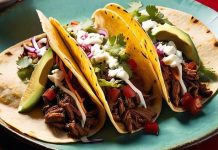
Food truck aficionados need to have more faith in consumer decisions if they want more vibrant cities. Even if that means they have to walk, chin ever so slightly elevated, past a few chain food trucks to buy their fish tacos.
Jane Jacobs, perhaps the most important intellectual influence on Toronto urbanists, recognized the importance of vibrant communities. In particular, she understood that the neighbourhoods that have a diversity of uses, with residences and businesses in close proximity, tend to be the safest and the most enjoyable. Jacobs moved to Toronto in the 1968, and became among the most influential activists and intellectuals in the city. Her influence in the city is virtually unmatched. However, many of her intellectual disciples have failed to grasp one of her key insights – that great neighbourhoods are not rationally designed.
In economic terms, great neighbourhoods are the product of an aggregation of uncoordinated human actions, rather than of conscious design. Neighbourhoods like the Annex were not engineered by central planners. No one decided that Bloor street west of Spadina would be populated by a wide array of restaurants serving cuisines of diverse ethnic origins. It happened because entrepreneurs and corporations saw opportunities, and seized them. Many have failed, and been replaced.
One might argue that the neighbourhood would optimally contain an additional Ethiopian or Mexican restaurant, and perhaps that will happen if there is market demand. But no one would seriously advocate for any type of zoning measure to ensure that this happens.
Indeed, if local politicians micromanaged to that degree, Bloor would likely be a strip of chain restaurants who have the financial means to game the regulatory system that would be required to consciously plan out the neighbourhood. The trouble with using regulations to bring about an outcome you might prefer is that complex regulatory systems are easily hijacked by politically connected individuals and organizations.
While the idea of politicians picking and choosing which types of restaurants to permit seem far-fetched, it actually does happen. Consider the case of Joe Pantalone. The former councillor and mayoral candidate famously attempted to prevent barista Sam James from opening a coffee shop in his ward. The objection didn’t seem to be that James would have been creating excessive noise or traffic, but rather that Pantalone did not believe the business was viable.
Specifically, he objected to the size. He was quoted as follows: “I wouldn’t call them stores. I’d call them cubicles. We’re not in Japan here where people can rent cubicles.” Incidentally, Pantalone was wrong. The business proved to be wildly successful. This is an example of why politicians shouldn’t attempt to pick winners and losers (aside from the inherent injustice).
The simmering opposition to chain restaurants operating food trucks isn’t all that much different from the case of Sam James. Opposing chain food trucks on the basis that people do not want them is ludicrous. If people want them, they will be financially viable. If not, they will fail. That should be left up to consumers. While there are legitimate regulatory challenges that need to be addressed to accommodate the bourgeoning food truck industry, all trucks should be treated equally before the law.
Ironically, picking a fight with chain food trucks could undermine the industry entirely. If brick and mortar establishments aren’t allowed to enter the industry, they will lobby for regulations that restrict food trucks. When legislators exhibit a willingness to allow outside pressure to bend regulations, lobbyists will respond accordingly. If foodies think that they can run corporate food trucks out of town and not have the same happen to independent food trucks, they are naïve about how the political process works.
Toronto entrepreneurs, in both restaurants and food trucks, are gradually creating a world-class culinary environment in the city. If Torontonians want to live in a world class city, it is time to embrace progress.
http://torontofoodtrucks.ca/why-consumers-shouldnt-resist-corporate-food-trucks