


By Editor | Greenville Online
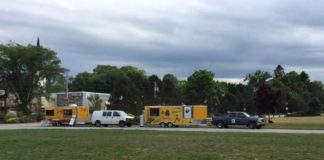
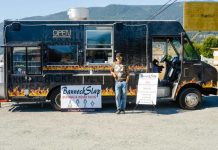
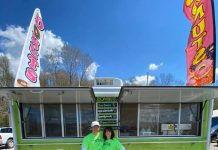
Food trucks are relatively new to Greenville, but these mobile restaurants have been adding flavor and vibrancy to other cities for years. They could do the same for Greenville if the city can find a reasonable way to let them coexist with existing restaurants.
As Greenville fine-tunes a set of proposed rules for food trucks, it should look for ways to let the Upstate’s small — but, we hope, increasing — number of food trucks operate in harmony with the varied and dynamic downtown restaurant scene.
The proposed rules come from a city task force and they were just recently presented to City Council at a recent work session. It’s likely the proposal would undergo some revision as the council debates them and comes up with a final ordinance governing food trucks. As City Council members do so, they should keep in mind that part of downtown’s success is its diversity, and allowing food trucks to operate more freely near the central business district could add to the flavor that variety has created.
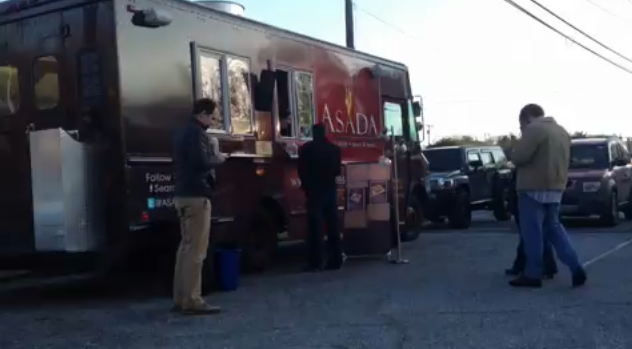
Local restaurants compete with one another all the time. Food truck owners convincingly argue that they, too, have made a substantial investment in their operations. The owners of the Neue Southern food truck recently mentioned in an interview, and in a video you’ll find with this editorial at GreenvilleOnline.com, that they had invested significant amounts of their own money in their operation. The city should be careful not to enact restrictions that would inhibit food trucks’ opportunity to succeed as legitimate businesses.
Competition between food trucks and brick-and-mortar restaurants should be allowed to occur with some limitations. That’s especially true given the logistical problems of having food trucks parked on Main Street that is relatively narrow and carries a large volume of traffic that moves slowly during peak times.
But rules should not be overly restrictive. And some in the task force’s proposal would be.
For instance, one proposed rule would prohibit food trucks on private property from being any closer than 250 feet from an existing restaurant. That would all but bar the trucks from downtown. Also, prohibiting the trucks from any public property except during special events when they have special permission could be a bit too restrictive.
Downtown Greenville is an inviting and exciting urban landscape. The latest trend of gourmet food trucks could offer another food option to the many people who roam downtown during the weekday lunch hours and on the weekends. Again, having a food truck parked on Main Street could pose a traffic obstruction, but what about one of the streets that intersects Main or runs parallel with it? How about considering a food truck parking area on a street that’s near the central business district where these trucks can do business during lunch hours?
Greenville has spent a lot of time and taken much care in creating a downtown that has become the gathering place of the Upstate and is nationally revered as a successful city center with one of the South’s best restaurant scenes. That success needs to be protected. If competition is a concern for some of the restaurants that have made downtown successful, the city could consider limiting the number of permitted food trucks so the market is not over-saturated. That would be preferable to saying the trucks do not have place in our vibrant downtown. But there should be ample evidence about the how much intersection there even is between food trucks and established brick-and-mortar restaurants.
As they debate these rules City Council should listen closely to what the food truck operators have to say and carefully balance it with the concerns of the established downtown restaurant owners.
These are not our fathers’ food trucks; they’re not hot dog carts or ice cream wagons. They represent a hip new urbanism that appeals to younger workers and is associated with cosmopolitan cities such as what Greenville is successfully striving to be. Food trucks are increasingly prevalent in many cities, and Greenville should find a place for them.
The rules that were proposed by the task force would require food trucks to have a city business license, proof of liability insurance and a DHEC food inspection report, according to a recent story ineGreenville by reporter Lillia Callum-Penso. Those are reasonable requirements given that the food trucks are legitimate food service businesses.
But city leaders should ease up on the other proposed requirements. City Council should find a way to let the food trucks serve customers in downtown Greenville. Restaurant owners often welcome the synergy that is created by clusters of establishments in an area — it’s part of the recipe for the success of downtown Greenville’s restaurants. Providing yet dining option for city residents and visitors — especially a hip one like food trucks — would seem to augment that synergy rather than detract from the fine restaurants we already have.