







by WLNS.com

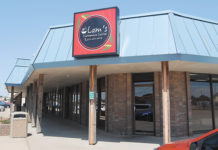
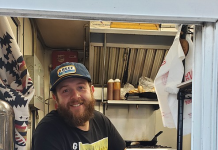
- “We took a really big hit in 2008, and without the film business, it would’ve been hard to keep the doors open, with 25 jobs at risk. But we did the proper research, found out what productions look for, how they do it, and set out to do it better than anyone. We’re experienced with high end clients, which helped us, because film sets expect top notch service, and at any time, even 4am.” — Eric Carlson, Chef/Owner

Big tax breaks for the film industry are on the chopping block in Lansing. Advocates fear that could lead movie makers away from Michigan. A thrilling Spielberg action film, a romantic comedy staring George Clooney, movie making is an industry giving a big boost to Michigan, but it comes with a price tag.
Governor Snyder: “It’s writing people checks, and my things is, we are in a very difficult budget time.”
Former governor Jennifer Granholm started giving tax breaks for companies who chose to film in Michigan, and there was no limit on how many projects could take advantage of it. Last year it cost the state nearly 200 million dollars. Now Governor Snyder wants to cap the program at 25 million dollars. Advocates of the film industry argue the governor is acting rashly.
Mitch Albom, Michigan Author: “It was gone today as of today, just outta here, that is not a good way to do business. A lot of people feel socked in the stomach. People who moved here, who started projects here, who opened smaller buildings, or catering trucks, or costume shops, or camera stores, or things like that, and are suddenly told this business is gone, feel like the table cloth has been yanked out from underneath them.”
But the governor says the numbers just don’t add up and the investment is not in the best interest of the state.
Governor Snyder: “28 cents, not 6 dollars. The good part about being an old CPA is you have that good skepticism to identify good data and good analysis from flawed analysis.”
The study Governor Snyder questions shows the state gets a 6 dollar return for every dollar spent. Snyder says, when he looked at that same
Governor Snyder: “If you do it on an apples to apples basis, that if you use the same criteria they use for Pure Michigan, in analysis that when we talk about Pure Michigan bringing in 2 to 3 dollars.”
But those working on set say these studies can’t measure everything.
Geoff George, has worked on films in Michigan: “If the needed a specific kind of prop or a specific kind of car, you know, we need a 1975 Volkswagen bus or whatever, well someone in Howell has to have it, OK, well here we found him, here’s a thousand bucks for the day to rent it from you and they’re happy, and how do you really count that, that’s a local person being impacted in one small aspect of this film industry that doesn’t really get factored into the senate fiscal report.”
But whether it’s a few cents or a few dollars, some say lawmakers need to look beyond those numbers .
Mitch Albom: “If you look at this purely as a math thing, you’re missing the bigger picture here. If you’re 40 or 50 and want your kids to stay here.”
Although Snyder is proposing a cap, he plans to still spend some money on the program, but his figure doesn’t sit well with film fans.
Mitch Albom: “he basically has crushed them and this idea of 25 million dollars somehow being, oh see, he gave me money is not, it’s not enough. It’s like going to a plant and saying, oh well, I’m giving you a little bit of water, it’s a little bit of water, in theory it’s water, but it’s not enough to live on. If you don’t give it enough water, it’s still dies.”
Mitch Albom is working with a coalition of people who make movies in Michigan. That group wants lawmakers to instead raise the cap to 180 million, a figure they say would keep the cameras rolling.
Mitch Albom: “There is no good that has come out of this, except there are some people who are out there who are saying, ooo, good, we are going to have more money for our tax coffers. As a longtime observer of government, I’ve never felt that money just sitting in a tax coffer is ever going to end up being the public good for me or you. Somehow politicians will find another way to spend that money.”
While nothing is on the books yet, the word of the governor has already made a huge impact. Production companies are pulling up stakes and the Michigan Film Office is already working within the governor’s proposal. Their director, Carrie Jones, says it makes things more competitive, but TV shows and movies are still coming to Michigan.
Carrie Jones, Director, Michigan Film Office: “We’re really just focused right now on making sure the projects that we choose are best for the state.”
So far seven new films, including one starring Jessica Alba, have been approved for incentives this year. 10 other projects approved last year will be in production in 2011.
Meanwhile those who want to bring more stars to Michigan also admit the governor has a difficult task.
Mitch Albom: “He has an impossible job, I couldn’t do it. I couldn’t balance a budget like that.”
And even if more money is set aside, Albom is afraid this story still might not have a very happy ending.
Mitch Albom: “One of my worries is, if we are able to resuscitate this and put it into a very responsible form, which we have proposed, then it’s still going to take awhile to get people to come back here, because they’ll say, uh, yea, we trusted you before.”