

By Rebecca Ungarino | NBC News
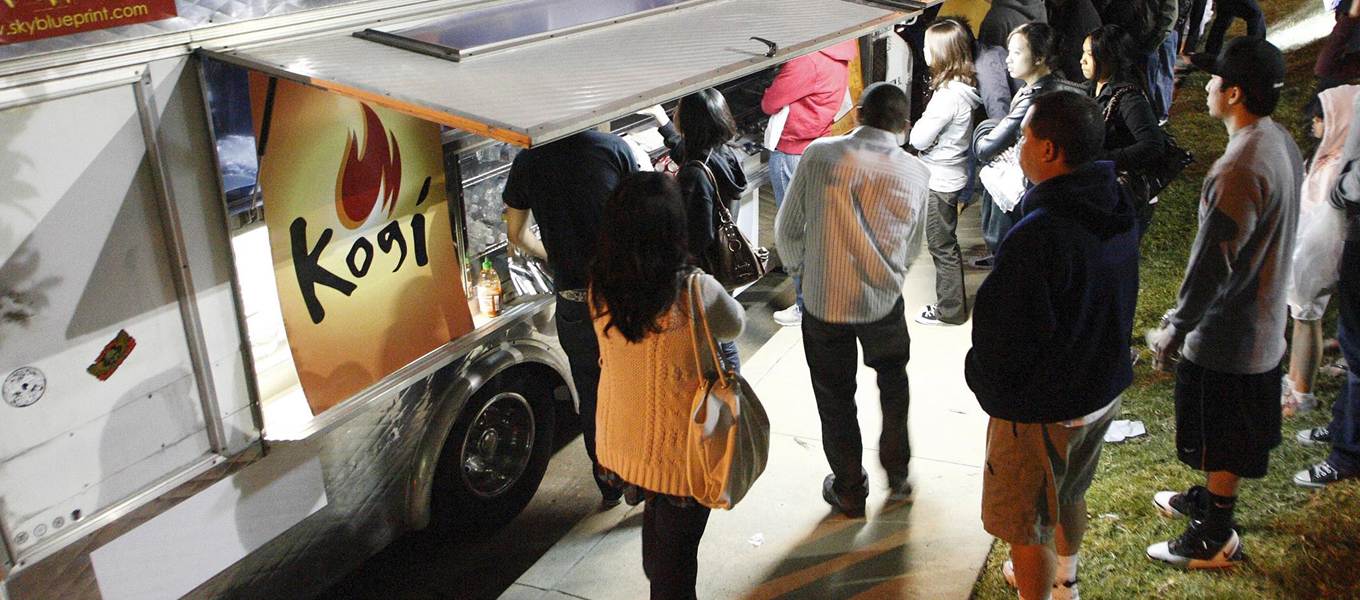
It’s summertime, and the eating is easy … if you can find a food truck.
Many of the once-ubiquitous vehicles vending everything from artisanal cupcakes to lobster macaroni are being driven from the streets –- and parked indoors –- by a slew of fines and regulations that make it hard for owners to turn a profit.
Some cities are embracing the meals-on-wheels culture, but in many of the nation’s largest cities truck owners are converting their businesses into storefronts, or parking their vehicles at festivals and working with third-party planners.
“If I just had a food truck in New York City, I would be out of business,” said Susan Povich, who owns Red Hook Lobster Pound in Brooklyn, New York with husband Ralph Gorham.
Band Together
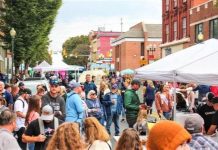
In the San Francisco area, food truck owners have turned to services like Off the Grid, a planning and marketing company that organizes public spaces they call “pods” or “markets” in which Bay Area food trucks can gather and not worry about breaking city rules
Off the Grid was started as a “direct response for the lack of opportunities in public spaces,” said company owner Matt Cohen.
“A good portion of what we do is seeking out, negotiating, and permitting spaces that, before, weren’t accessible in that way,” Cohen said.
Off the Grid takes 10 percent off each truck’s gross sales for a day using its service, plus a form of daily “rent” between $50 and $150 for vending in an Off the Grid-selected public locale. That’s paid off, said Jim Angelus, owner of Bacon Bacon, a food truck and café in San Francisco.

“It definitely cuts my margins, but it has a great reputation. I could sell $1,000 on my own, or $1,800 with Off the Grid,” said Angelus.
Back to Brick and Mortar
Restaurateurs like Gorham and Povich already had a brick-and mortar storefront in Brooklyn, New York when they debuted their truck. Gorham and Povich opened the Red Hook Lobster Pound in 2009 and launched their New York City food truck in 2011.
New York City has been particularly inflexible with vending regulations, Povich said.
Siwat Thitiwatana, owner of Mamu Thai Noodle Truck in New York City, has turned to opening a storefront this year in Astoria, Queens. He said the city has made it “extremely hard” to run a mobile vending business.
“It’s funny because we have permits — a whole other issue — to have a street vending business, licenses to work as food vendors, [which are] very hard to obtain, yet there is no legal place to do business,” said Thitiwatana. “I will most likely just work the truck seasonally.” The mobile eateries can lose as much as 50 percent of their sales in the winter months.
The fine for vending near a meter, which is illegal in New York City, is $65. Food truck owners count fines as a business cost. Others have found that a food truck alone is no way to make a living. Some, like Povich, say they expect to receive at least one ticket per day. Others, like Matt Gray, owner of Washington D.C. truck Amorini Panini, receive occasional tickets for parking offenses. Gray has 15 unpaid tickets ranging from $50 and $100, and finds vending difficult because “ticketing is a revenue stream for D.C.”
http://www.nbcnews.com/business/consumer/food-trucks-faced-fines-choose-alternate-routes-n145581