




By Che Ruddell-Tabisola | DMV Food Truck Association
Gov. Terry McAuliffe today signed HB 2042, which lifts the ban on food trucks from serving on state-maintained roads and streets.
The following are comments made during the signing ceremony by Che Ruddell-Tabisola, Executive Director of the DMV Food Truck Association.
Hello everyone. My name is Che Ruddell-Tabisola. I’m the Executive Director of the DMV Food Truck Association, which represents nearly 100 food truck small businesses in DC, Maryland and Virginia. Since 2010 we have been advocates for policies that promote increased access to food, entrepreneurship and small business growth.
First, thank you Del. Filler-Corn for embracing a cause that so many others turn away from.
And thank you Gov. McAuliffe, not only for your support of food truck small businesses, but for coming here to Tysons Corner to sign this important legislation.
Today Gov. McAuliffe lifts the ban on food trucks from vending on state-maintained roads and streets.
It’s an important event nationally and well as locally: Gov. McAuliffe is the highest-ranking elected official in our country in more than 30 years to sign into effect a new law that lifts barriers for food truck entrepreneurs and helps to spur the creation and growth of mobile small businesses. It is a landmark event for an industry that historically has been so disenfranchised. My hope is that Del. Filler-Corn and Gov. McAuliffe’s actions will serve as a model for other states to follow.
Here at home, this legislation sets the stage to pass new and better vending laws in cities and towns across our state. And we’re going to start right here in Fairfax County.
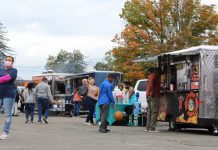
While some people say that today’s modern food truck movement is a “new trend,” make no mistake that street vending has always been part of the fabric of the American economy. Since the first of the new generation of food trucks opened in the DMV in six years ago we have seen food trucks grow into brick-and-mortar businesses; brick-and-mortar restaurants open food trucks as a way to grow their business and enter new markets; we have seen food trucks demonstrate retail and restaurant viability in underdeveloped and underserved communities; and importantly, we have seen food trucks provide an accessible means to small business ownership for everyday people.
Food trucks contribute to city and county coffers and create jobs. The average food truck creates four FTEs — full-time employees. Now, do those four jobs solve all of our country’s economic woes? No. But do those jobs matter to those four families? Absolutely.
Today is a day to recognize the hard work undertaken to arrive at this legislative accomplishment and celebrate this landmark in American street vending. But we’re only part of the way there. Tomorrow it’s time to get back to work.