


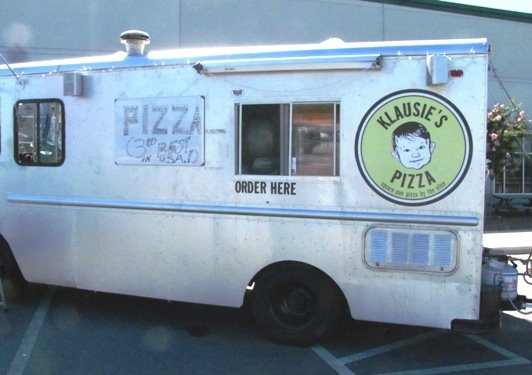
By Scott Bolejack | TheHerald-NC.com
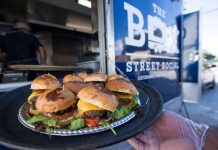
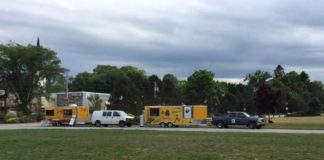
I like Raleigh restaurants, but I don’t like their opposition to food trucks, and I was concerned to read this past week that the Raleigh City Council had delayed a vote on relaxing rules on the trucks. (The good news is that the delay could lead to even more favorable rules for food trucks; we’ll see.)
In trying to justify their opposition, brick-and-mortar restaurants point out that, unlike food trucks, they pay rent or a mortgage, plus property taxes. Because of that, they shouldn’t have to compete with a low-overhead eatery parked outside.
What’s wrong with that argument? For starters, if towns barred all low-cost businesses that competed with their high-overhead kin, then no community in this country would have a Walmart, and how good would that be for consumers? Second, brick-and-mortar restaurants pay rent or a mortgage because they choose too. That’s a business decision, not some government requirement.
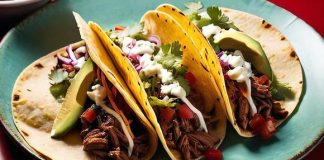
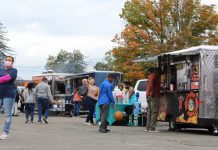
I am not surprised by the sudden proliferation of food trucks. The recession has turned a lot of laid-off workers into entrepreneurs. The recession has also promoted consumers to look for food that’s cheap but also good, and from what I’ve read, many of the food trucks, from Los Angeles to New York City to Raleigh, are offering tasty, even innovative fare. Equally important, demand for food trucks has grown. In Raleigh and Durham, for example, food trucks are flocking to local breweries that serve beer but not food. Their patrons, apparently, want both.
And it’s not as though food trucks have a guaranteed advantage over brick-and-mortar restaurants. Most obvious, few people stand in the rain, sleet, snow, cold or heat to buy lunch on a paper plate, even a good, cheap lunch. Raleigh, by the way, has about 110 days of rain a year. That number doesn’t matter as much to a restaurant with a roof over its head. Neither does the temperature, be it 100 or 30 degrees.
In this economy, new entrepreneurs are seeking low-cost entries into growing marketplaces. What’s surprising is that some local governments are working overtime to bar that entry.
http://www.theherald-nc.com/2011/07/24/19325/cities-should-leave-food-trucks.html