


 By Chris Koger

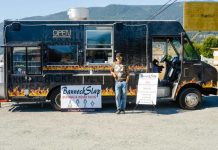
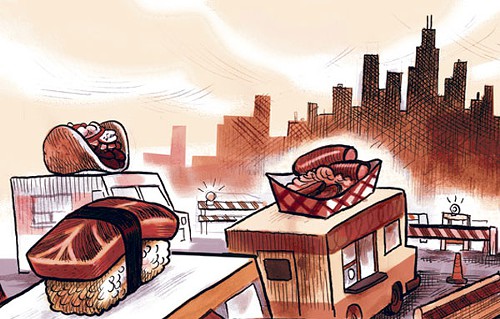
A proposal that would allow food trucks to cook on-site is meeting opposition from restaurant owners who fear losing diners whenever one of the trucks parks nearby.
The trucks are already common in Chicago, but they can only sell prepared foods, according to the Chicago Sun-Times. Food trucks are becoming the “in” thing in other metropolitan areas as well. A recent telephone commercial hypes apps that allow people to connect with others, and one example is a food truck operator who uses the phone to let dinners know when she’ll swing by their neighborhood.
A friend who lives in Chicago recently raved about the quality of the food; he also uses his phone to track his favorite chef on wheels.
As the restaurant industry emerges from a dark period in which consumers stretched food dollars by shopping at grocery stores and ate out less, foodservice operators are working to revive sales. It’s not surprising that restauranteurs are wary of the trucks — but their apprehensions are misguided.
Matt Maroni, a food truck operator who helped write the ordinance, sums it up best: “It’s a capitalist society. If (restaurant owners are) worried about competition, maybe they need to look at their concept,” Maroni told the Sun-Times.
I think that’s a fair assessment. Times change, and this presents established restaurants with a huge opportunity. For a minimal investment in a truck, a chef and a few more employees to the prep/sales in the mobile “kitchen,” a restaurant can extend its brand to new neighborhoods.
Give customers a reason to visit the established restaurant, with discounts, “preferred diners” promotions and teasers for the home base’s expanded menus. Establish a route and vary the offerings by neighborhood demographic, focusing on lunch crowds and take-home meals for customers heading home from work.
Wholesalers who serve smaller restaurants should also take note — how can you capitalize on small accounts that need daily pick-ups? Many companies on terminal markets across the country already have relationships with independent restaurants that require everything from staples like potatoes and onions to specialty herbs and tropical fruits.
How do you think food trucks could benefit your business? Leave a comment and tell us your opinion.
E-mail ckoger@thepacker.com