



By Susan Schwartz | Postmedia News

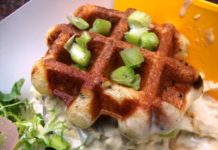
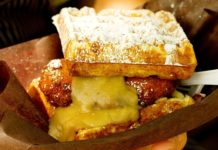
Street food has long been an ingredient in the flavour of cities from Saigon to Seattle. At food carts in Portland, Oregon — considered Mecca in the North American street-food scene — one can find everything from chicken paprikash to lemon butter-filled crepes topped with sauteed apples to, yes, poutine.
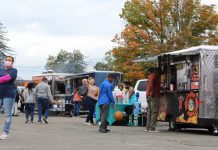
It’s fun and informal and convivial, say proponents, and in the past couple of years food trucks and carts have become hugely popular in many urban centres.
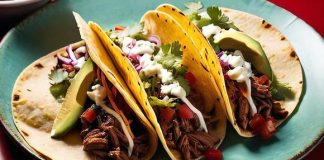
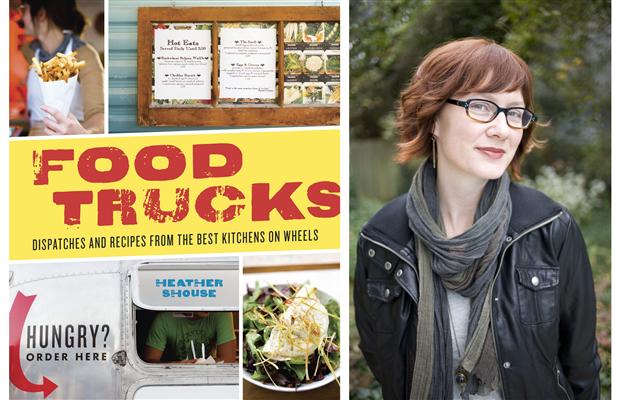
Los Angeles, for instance, has long had taco trucks — there are close to 7,000 — but the buzz around food trucks reached a fever pitch in that city with a taco truck chef named Roy Choi, who created Korean barbecue tacos and took them to the streets in late 2008. His fleet of four Kogi trucks did a reported $2 million in sales their first year on the streets — eager diners followed them on social media, showing up wherever they stopped — and Choi was named best new chef by Food & Wine magazine, as Heather Shouse recounts in her sharp new book Food Trucks: Dispatches and Recipes from the Best Kitchens on Wheels (Ten Speed Press, 200 pp, $23), a beautifully illustrated work that takes readers from the west coast of the United States to the east coast and makes them want to visit every food cart and truck she writes about.
“Kogi did not invent the food truck. But they just might have reinvented its wheels. At least they got the world to sit up and take notice. The L.A.-based Korean taco truck was repeatedly cited as a source of inspiration by food truck owners I spoke to during my travels,” she writes. “Favouring quirk over pomp, talented cooks and critically acclaimed chefs are ditching the brick-and-mortar standard for kitchens on wheels, churning out incredible food for a new breed of diners more interested in flavour than fuss.”
Which is not to say that all the food trucks she visited were great, mind you — or that the food-truck scene is one giant love-in. Like any explosion, an explosion in food trucks is bound to have a down side. A May article in the Los Angeles Times suggests that L.A.’s gourmet food truck scene, which started with Kogi as an exciting underground movement, “is becoming a mainstream, bottom-line-obsessed maze of infighting and politics.”
If there were once only a few new-wave food trucks on the scene, today there are nearly 200, according to the Times, and where experimental entrepreneurs once dominated, corporate players have entered the game. Among other issues are copycat trucks and the sense that many entering the business have no culinary experience.
In L.A., where food trucks have long been legal, mobile food vendor applications have quadrupled in the past two years, Shouse writes, “along with complaints from restaurants facing new competition. In response, city council panels have been set up specifically to keep the peace, setting limits on the number of permits issued and establishing new regulations on a continual basis.”
As well, U.S. cities that did not have a food truck scene are scrambling to come up with regulations — and to decide where they stand on the issue, she writes. In her hometown, Chicago, people are not allowed to cook in food trucks “thanks to a tangled mess of red tape.” Shouse, the senior food and drink correspondent for Time Out magazine in Chicago, went on local radio with Troy Johnson, who’d converted a fire truck into a mobile kitchen and was prohibited by the city from cooking in it, “to encourage Chicagoans to contact their aldermen to voice support for bringing our food truck scene up to a national standard.”
Montreal did have food carts at one time, but they were banned during the tenure of former mayor Jean Drapeau. A few Montrealers recently started a Facebook page, Bring Montreal street food back.
The City of Montreal launched a pilot project this month called Fruixi, in which six portable three-wheeled carts with trailers mounted on the back carry fresh produce to sell in parks in Ville Marie and Plateau Mont-Royal. Some people view this as the administration having opened the door slightly. But, “as for buying a bagel or a hotdog or a pretzel like in New York City, I don’t think that it is something that would be considered at this time,” said Jacques-Alain Lavallee, spokesman for the borough of Ville Marie.
He said elected representatives have looked at the street-food issue repeatedly and rejected the possibility of permitting it, on the grounds that street vendors would provide direct competition for small merchants and that, because street vendors are permitted on festival sites during “the great number of festivals we have in Ville Marie, overall, Montrealers are not losing out.”
—
Krista’s lamb kebabs
Serves 12.
This recipe, which makes enough for a party, is from Food Trucks, by Heather Shouse. It comes from the Food Shark, food truck in Marfa, Texas, run by Austin transplants Adam Bork and Krista Steinhauer.
1 4- to 5-pound (2- to 2.5-kg) boneless leg of lamb
Marinade
2 tablespoons (30 mL) minced garlic
1 tablespoon (15 mL) freshly ground cumin
1 teaspoon (5 mL) paprika
1 teaspoon (5 mL) ground coriander
1/2 teaspoon (2 mL) cayenne pepper
1 teaspoon (5 mL) dried mint
1/2 teaspoon (2 mL) ground ginger
1/2 teaspoon (2 mL) cinnamon
Juice of 2 lemons
2 tablespoons (30 mL) pomegranate molasses
1/2 teaspoon (2 mL) ground black pepper
1 teaspoon (5 mL) salt
1/4 cup (60 mL) olive oil
Tomato-cucumber salsa
2 tomatoes, diced
1 cucumber, diced
8 mint leaves, chopped
Salt and freshly ground black pepper
1 tablespoon (15 mL) sumac
For grilling and assembly
2 bunches green onions
12 Anaheim chilies
Olive oil, for tossing
Salt and freshly ground black pepper
12 pieces flatbread or pita
2 cups (500 mL) Greek yogurt
1 tablespoon (15 mL) freshly squeezed lemon juice
1/2 teaspoon (2 mL) freshly ground cumin
Trim the excess fat from the leg of lamb and cut into 1-inch (2.5-cm) cubes. To make the marinade, place all the marinade ingredients in a bowl, whisking to combine, then pour over the lamb, massaging the marinade into the meat. Seal in a large resealable bag and refrigerate for at least 4 hours or up to 24 hours. To make the tomato-cucumber salsa, combine the tomatoes, cucumber, and mint in a bowl and gently stir together. Season with salt and pepper and set aside. Thread the lamb cubes onto metal or wooden skewers. (If using wooden skewers, soak them in water for 20 minutes first). You should have 12 to 15 skewers.
Toss the whole green onions and chilies with a bit of olive oil and season with salt and pepper. Prepare a grill for direct cooking over medium-high heat. Grill the lamb to medium-rare, turning as you grill to get a nice char. Grill the chilies and green onions until charred and blistered. Add the flatbread to the grill for just a minute, turning once, to warm through.
In a bowl, stir together the yogurt, lemon juice, 1/2 (2 mL) teaspoon salt, and cumin. Sprinkle the sumac onto the tomato-cucumber salsa. Set out both as toppings and serve everything family-style.